
Surgical Dermatology
Skin Cancer & Mohs Surgery
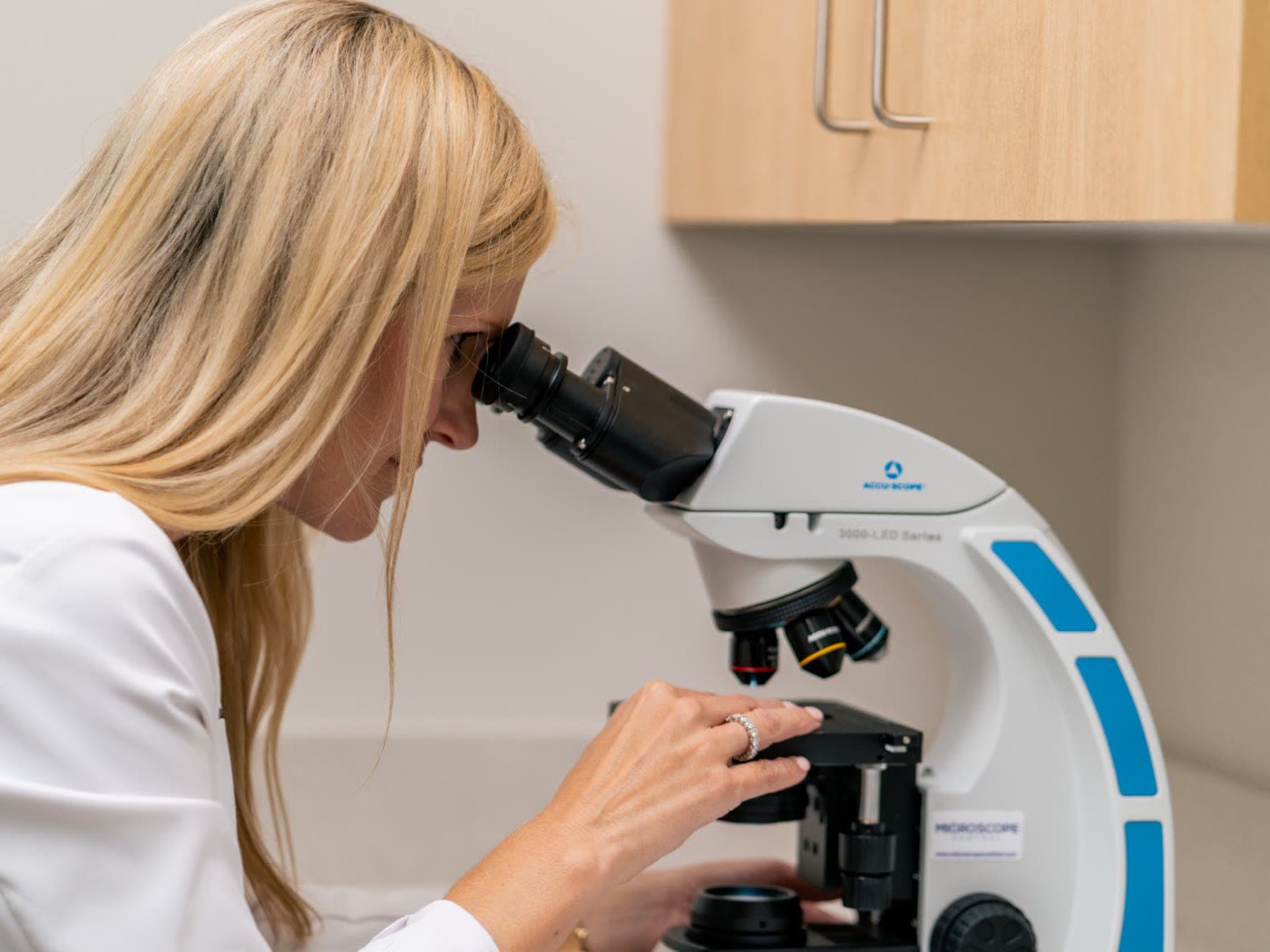
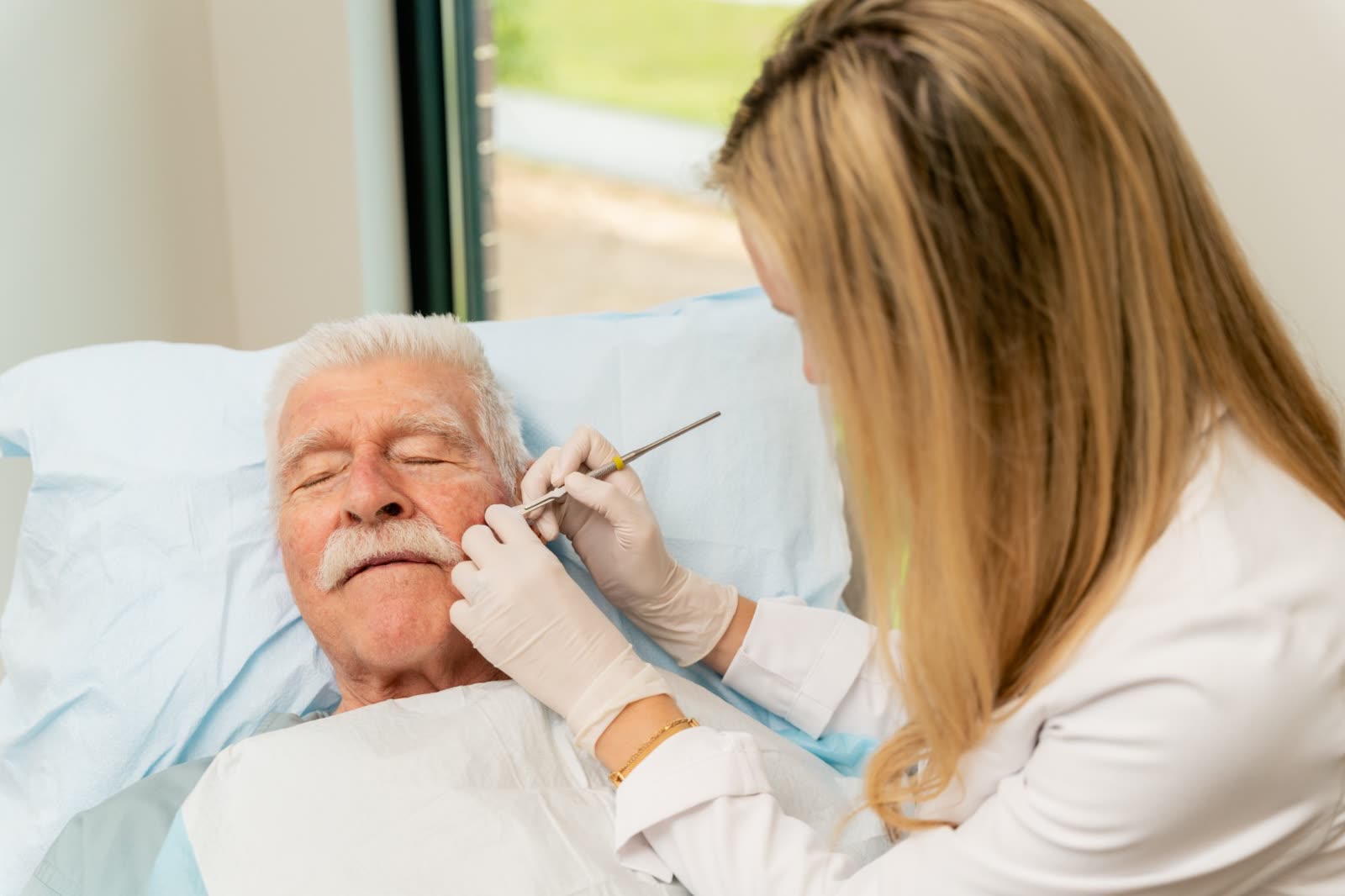
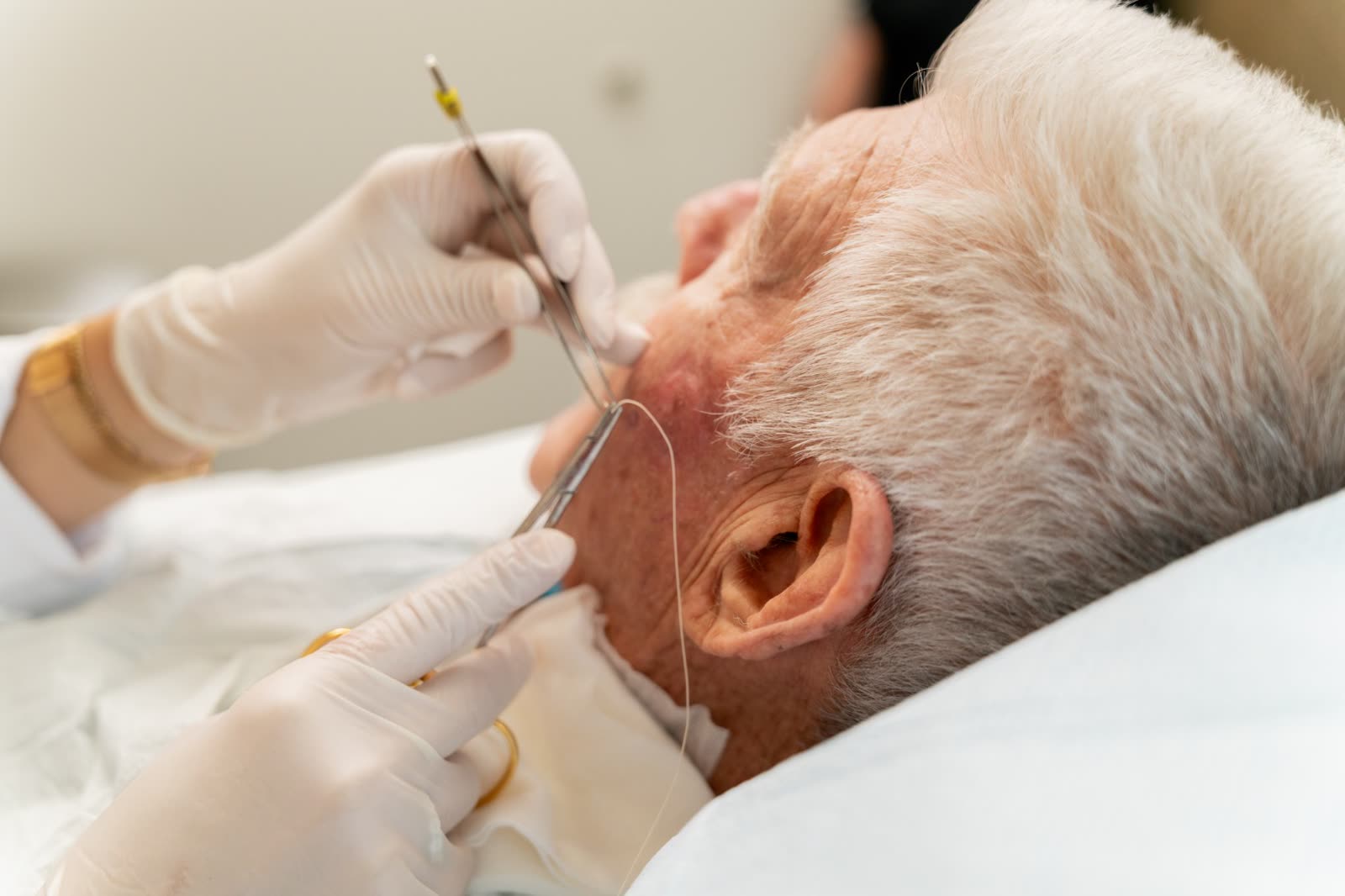
Mohs surgery removes skin cancer one thin layer at a time, checking each layer under the microscope while you wait — so the cancer comes out completely and the healthy skin around it stays. With up to a 99% cure rate, it's the standard of care for many basal cell and squamous cell cancers of the face, head, and neck — and it's performed within our practice by fellowship-trained Mohs surgeons.
The surgeon is also the pathologist — your tissue never leaves our hands.
A spot that's new, changing, or just worrying you? That's reason enough to come in.
Most skin cancers are curable when caught early. You don't need to be sure something is wrong — that's our job. Get a spot looked at if it is:
- New — a growth or sore that wasn't there before, or won't heal
- Changing — in size, shape, color, or border
- Different — the one mole that doesn't look like your others
- Symptomatic — itching, bleeding, crusting, or tender
The Procedure
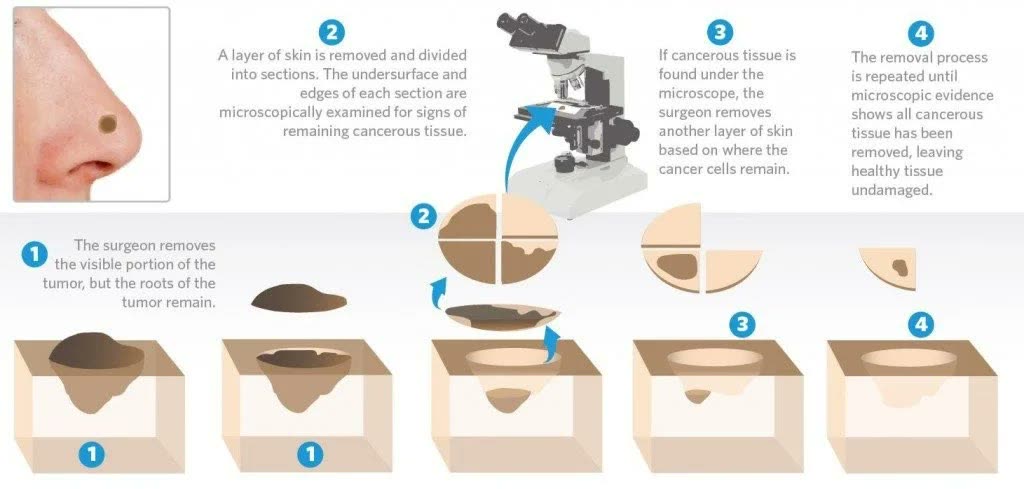
How Mohs surgery works
The surgeon acts as both cancer surgeon and pathologist — removing, mapping, and examining tissue until the margins are clear.
01
Numb & remove
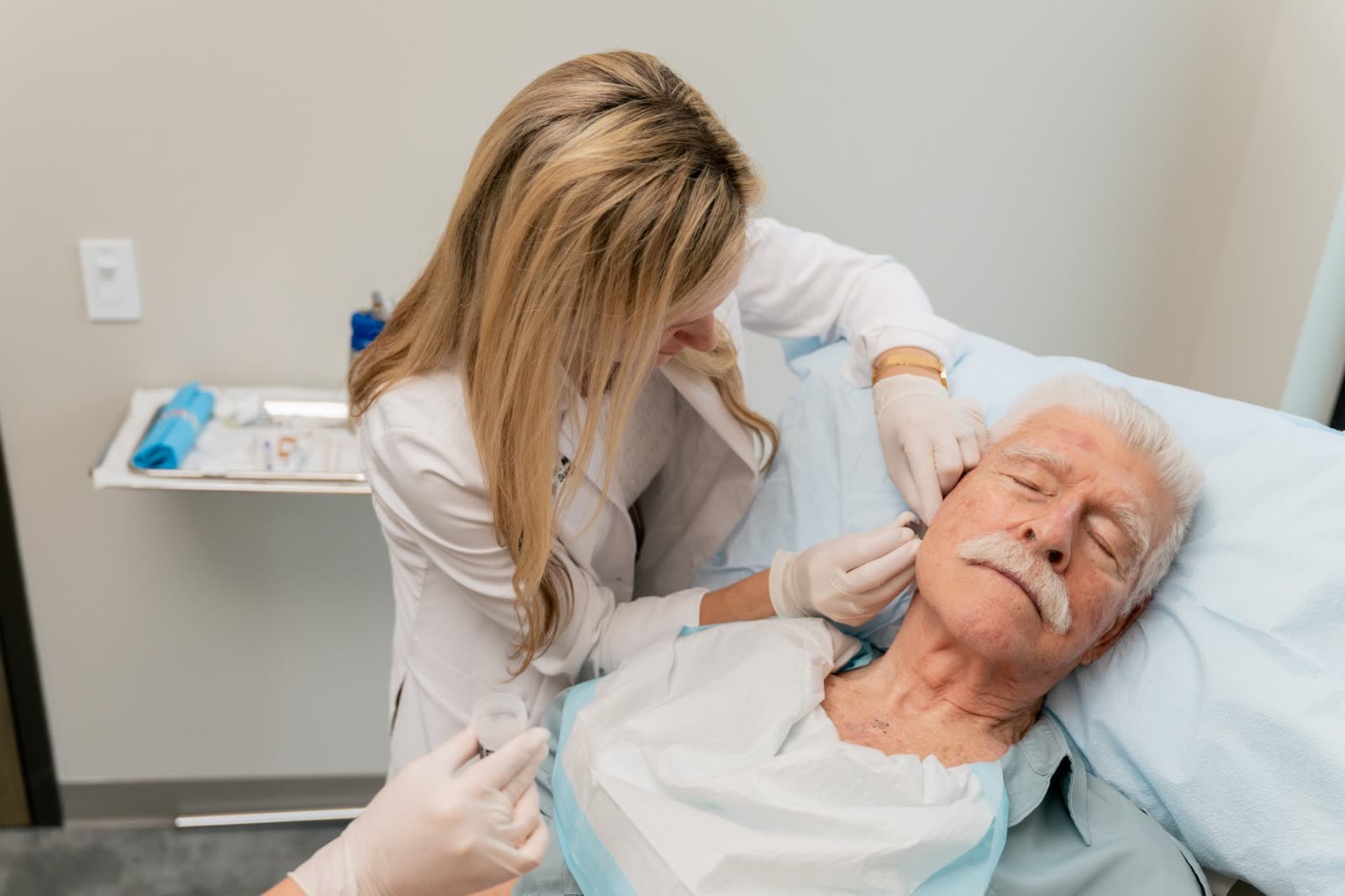
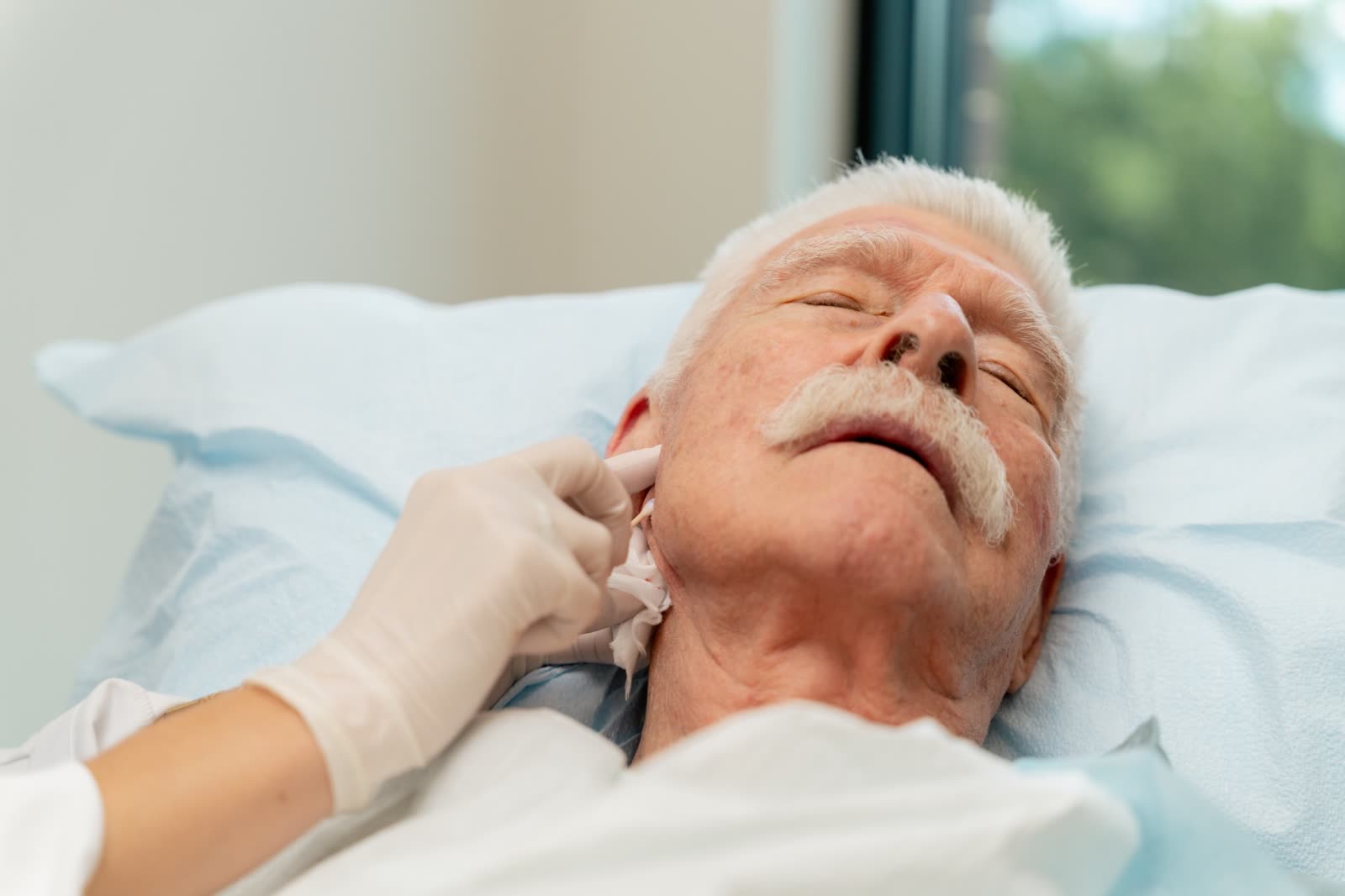
The area is numbed with local anesthetic and the visible cancer is removed with a thin margin of skin.
02
Checked while you wait
Your surgeon maps and examines 100% of the edges under the microscope, in our own lab. You relax in the waiting room.
03
Repeat only if needed
If any cancer remains, another thin layer is taken from that exact spot only — nothing more.
04
Repair & go home
Once the margins are clear, the site is repaired the same day, and you go home with clear aftercare instructions.
Your Surgeon
Two fellowships. One surgeon. The whole repair.
Dr. Sarah Wilson is dual board-certified — in dermatology and in Mohs micrographic surgery — and dual fellowship-trained, in Mohs surgery and cosmetic surgery. That second fellowship matters more than most patients realize: removing the cancer is half the operation. The other half is the repair — rebuilding a nose, an eyelid margin, a lip line — and it's where cosmetic-surgery training shows, one advanced flap and graft at a time.
She's joined by Dr. Katie Wadlington, board-certified in dermatology and fellowship-trained in Mohs surgery, and backed by Dr. Paul Haun, dual board-certified in dermatology and dermatopathology, who reads diagnostic biopsies in our own lab and consults on complex cases. During Mohs itself, your surgeon personally reads each frozen-section margin. Surgeon, reconstructive judgment, and pathology — one team, one practice.
Professional Memberships
From Mohs Patients
Skin cancer stories from our chairs
More reviews →★★★★★
“I recently had a Basil cell carcinoma, removed from my face via the Mohs procedure at their location In Carrollton. In previous years, I had to go to Newnan for the same procedure and it is nice to be treated closer to home. Dr. Wilson and her assistants worked efficiently and made me feel at ease.”
★★★★★
“I’ve been using West Georgia Dermatology for many years, but over the course of the last year I have seen them in a whole new level. I was diagnosed melanoma last March and have had several surgeries there. Dr. Wilson and Dr. Wadlington both have been wonderful to me and did an amazing job on my slow MOHs surgeries. I have been very pleased with the care and treatment I have received and would recommend them to anyone!”
★★★★★
“I’ve had two visits and the care is wonderful.. From check in to checkout is very professional and the staff is very caring and they take their time to explain in detail and answer any questions I may have. Kate Baskin was so helpful with a rash on my legs .. I has Mohs surgery yesterday and Dr Wilson did an awesome job on my cheek and staff and nurses were very professional and friendly.. I highly recommend this dermatologist office!”
★★★★★
“I’ve had 3 MOHS procedures since October. Each time the care is professional and caring. Aftercare is exceptional. Dr Wilson called each time the afternoon after the procedure to ensure that I was ok.”
★★★★★
“Dr Wadlington is most knowledgeable, caring, friendly and professional. She and her nurse work smoothly together. Mohs surgery went well and hardly a scar. All staff and nurses are most helpful and professional.”
★★★★★
“I couldn’t be anymore happy about the way my MOHS procedure went. The staff and especially Dr. Wilson were great. They made it a calming experience.”
Before & After Your Surgery
What to expect, start to finish
How to prepare
Shower and wash your hair that morning, and eat a normal breakfast unless we tell you otherwise. Hold the medications and supplements your surgeon flags, and skip alcohol the day before. No makeup, perfume, nail polish, or jewelry near the site — and have a driver available in case your repair is extensive.
The day of surgery
Mohs is outpatient, under local anesthetic — you're awake and comfortable. The visible tumor comes out first; each layer is examined under the microscope while you wait, and removal repeats only where cancer cells remain. Plan on a half day and bring a book.
Recovery
Simple wound care — most patients are back to everyday routines within a day or two, but hold off on strenuous exercise, heavy lifting, and bending until your surgeon clears you (often 1–2 weeks for larger repairs). Keep the site clean and dry, and come back for a follow-up so we can check your healing.
Because Mohs removes the least tissue necessary, scars are minimized — and our surgeons plan each repair around how your skin moves and heals.
Why have Mohs surgery with us
Fellowship-trained surgeons
Mohs at this practice is performed by surgeons with dedicated fellowship training — the highest credential for the procedure. What that means →
Our own dermatopathology lab
Biopsies are read within our own practice by a board-certified dermatopathologist — faster answers, one chart. How our lab works →
One practice, start to finish
Biopsy, surgery, follow-ups, and yearly skin checks all happen within our own practice — not at a hospital across the metro.
Real Results
Mohs cases from our own operating rooms
See all 23 cases →Every photo below is a real patient of Dr. Sarah Wilson, shared with signed permission. Drag the handle to compare before and healed. Individual results vary; healing times and scars depend on the site and the repair.
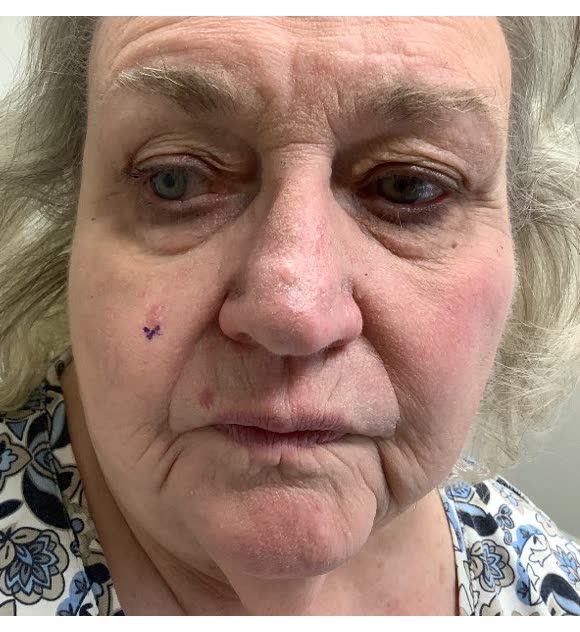
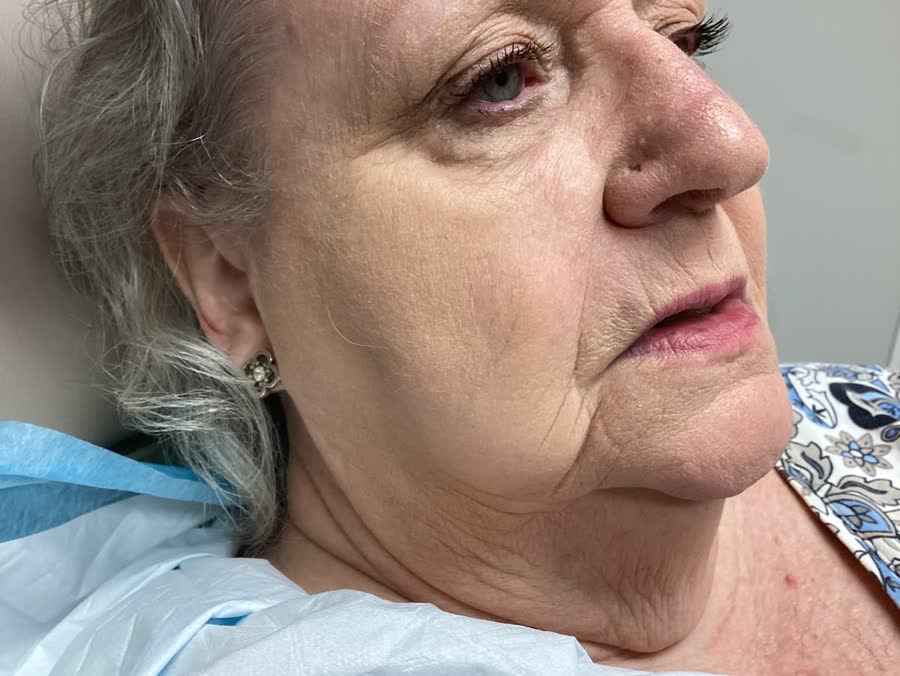
Basal cell carcinoma - right cheek · drag to compare
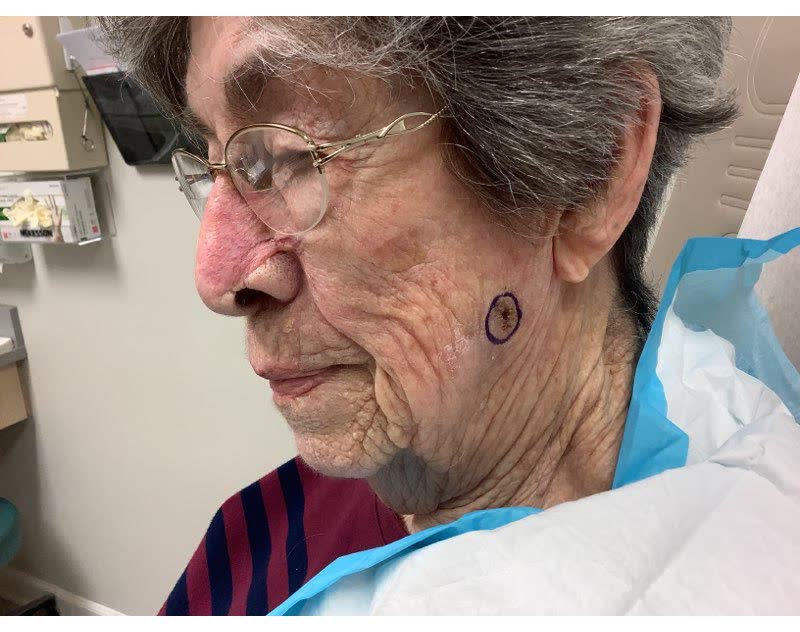
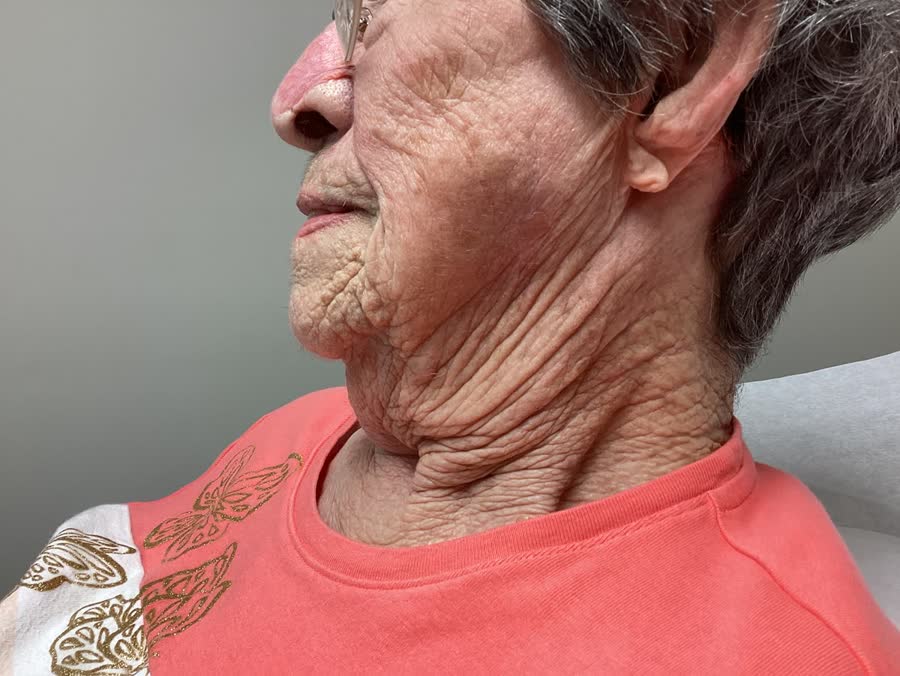
Squamous cell carcinoma - left cheek · drag to compare
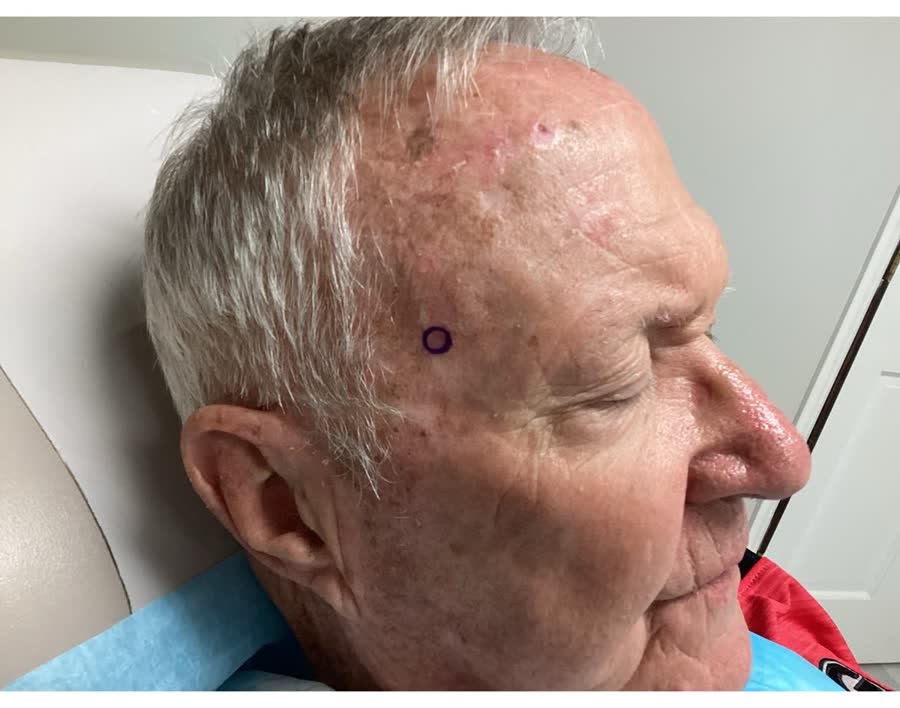
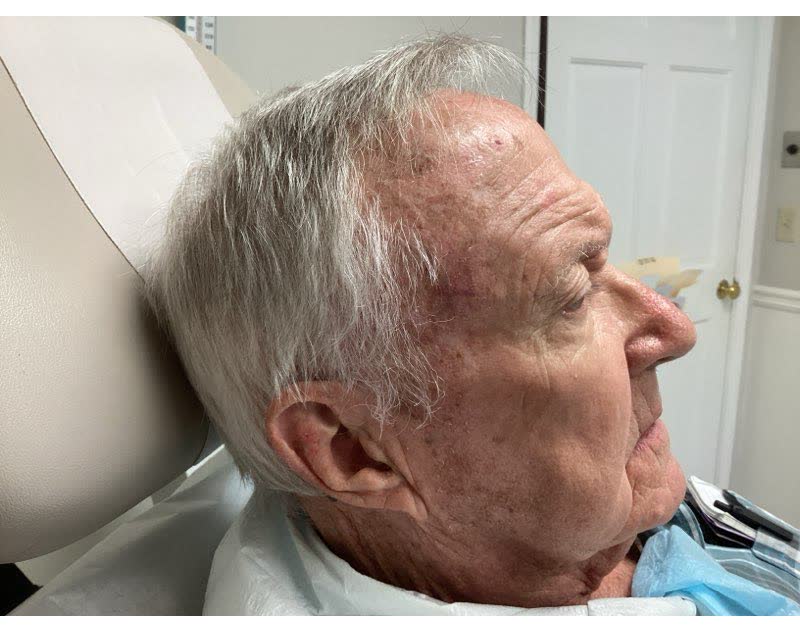
Squamous cell carcinoma - forehead · drag to compare
See every case, start to finish
23 real patients — before, after cancer removal, the same-day repair, and healed. Heads-up: the full gallery includes real mid-surgery photos.
Hear It From The Surgeon
From the American College of Mohs Surgery
Common questions
Mohs is done under local anesthetic — you're awake, and the area is numb. Most patients describe pressure rather than pain. Many drive themselves home after local-anesthetic Mohs, but plan a driver if your repair may be extensive or you take sedating medication.
Plan on a half day. Most of that time is comfortable waiting while we examine your tissue in the lab between stages — bring a book.
Shower and wash your hair the morning of surgery, eat a normal breakfast unless told otherwise, and avoid alcohol and any medications or supplements your surgeon asks you to hold. Skip makeup, perfume, nail polish, and jewelry near the surgical site — and have a driver available in case your repair is extensive.
Mohs examines 100% of the removed margin while you wait, so it takes the least healthy skin possible while confirming the cancer is fully out. It's often recommended for the face, head, neck, and recurrent cancers.
Any skin surgery leaves a mark. Our surgeons are fellowship-trained in reconstruction and plan each repair to make it as small and well-hidden as the site allows. Scars soften considerably over the following months.
Recovery usually involves simple wound care and minimal downtime — most patients resume normal activities within a day or two. Plan for a few days of taking it easy, keep the site clean and dry per your instructions, and expect a follow-up visit to check healing.
Mohs for a diagnosed skin cancer is generally covered as medically necessary. Our front desk verifies your benefits before your surgery date, so there are no surprises.
Most patients can book directly with us. Some insurance plans do require a referral — our staff can help you check yours.
Your Surgical Team
Our Mohs surgeons
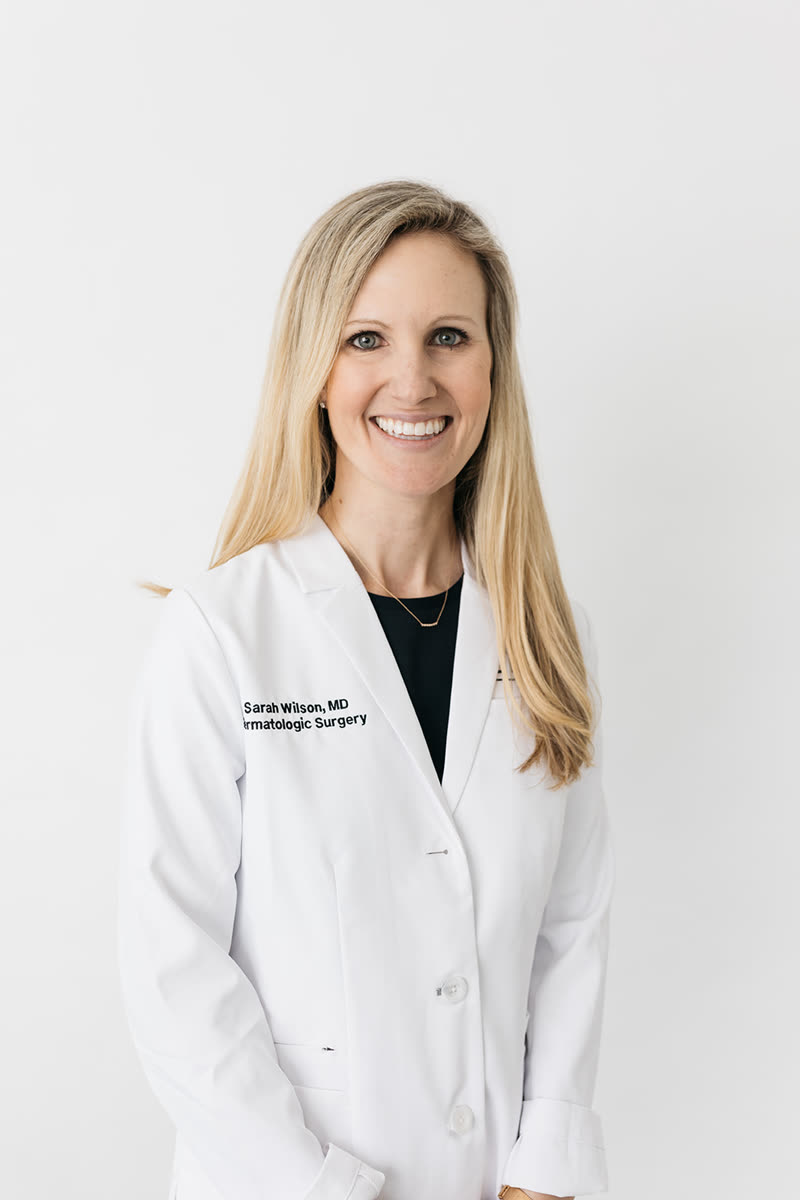 Sarah Wilson, MD
Dermatology & Mohs surgery · Dual fellowship-trained · Peachtree City, Newnan, Carrollton
View profile →
Sarah Wilson, MD
Dermatology & Mohs surgery · Dual fellowship-trained · Peachtree City, Newnan, Carrollton
View profile →
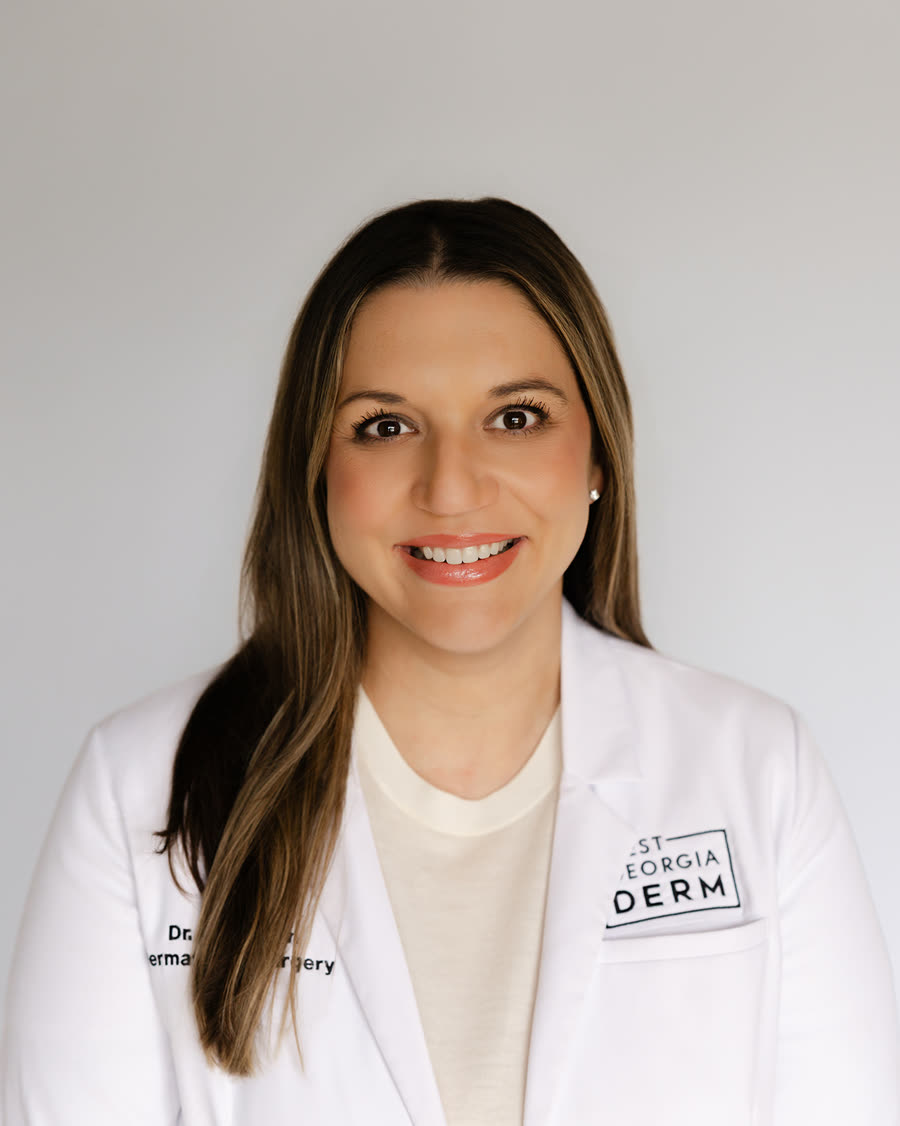 Katie Wadlington, MD
Dermatology & Micrographic Dermatologic Surgery · Peachtree City, Newnan, Carrollton
View profile →
Katie Wadlington, MD
Dermatology & Micrographic Dermatologic Surgery · Peachtree City, Newnan, Carrollton
View profile →
Pathology is read within our practice by Paul Haun, MD — board-certified dermatologist & dermatopathologist — in our own lab.
Worried about a spot? Let's look at it.
Spot checks are quick, and same-day or next-day appointments are often available. Mon–Fri · 7:00am–5:00pm.